Product Description
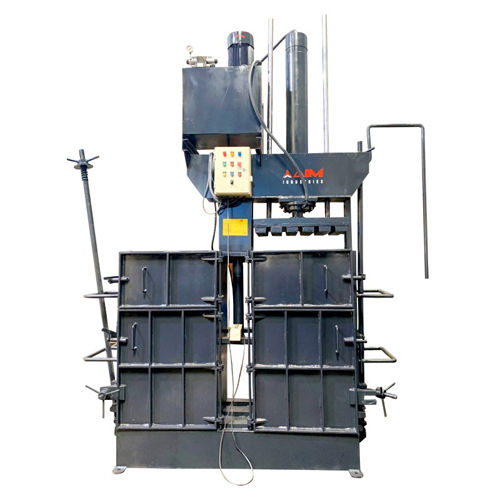
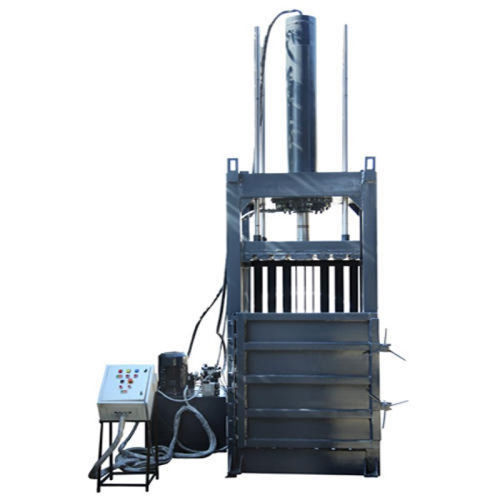
We are actively engaged in offering a large selection of vertical scrap baling presses. Metal, paper, cardboard, plastic, and textile waste are just a few examples of the many types of scrap materials that can be compress and baled using this method. Because they can be mounted against a wall, this range is perfect for companies with little floor space. Energy-efficient hydraulic and motor technologies will be used in the Vertical Scrap Baling Press to cut down on running expenses and energy consumption. It must be able to withstand the strain of constant use and tough industrial settings.
Superior Compaction for Multiple MaterialsThe Vertical Scrap Baling Press effectively compacts a wide array of materials, such as scrap metal, paper, plastic, cardboard, and aluminum, streamlining recycling workflows in industrial settings. Its flexible bale size and weight capacities adapt to various operational needs, while durable construction ensures longevity even with continuous, heavy-duty use.
Advanced Automation and Safety FeaturesWith a digital touch screen control panel and PLC system, the machine offers both semi-automatic and automatic operation for optimized productivity. Key safety features, such as the emergency stop and interlocking door switch, safeguard users during operation, while proportional, pre-fill, and solenoid valves maintain precise hydraulic performance.
FAQ's of Vertical Scrap Baling Press:
Q: How does the Vertical Scrap Baling Press operate and what materials can it process?
A: The machine operates using a hydraulic system with a capacity of 40-100 tons force, compressing materials in a chamber made of mild steel with hard chrome-plated rods. It is suitable for compacting bulk scrap metal, paper, plastic, cardboard, and aluminum, making it ideal for industrial recycling.
Q: What are the steps involved in baling scrap with this press?
A: First, load the selected material into the working chamber. Next, select the desired operation mode (semi-automatic or automatic) from the digital touch screen. The hydraulic system compresses the material, and after the cycle time of 40-60 seconds, discharge the formed bale either manually or automatically, depending on your model selection.
Q: When is manual or automatic bale discharge recommended?
A: Manual discharge is suitable for smaller operations with lower throughput or when flexibility in bale handling is needed, while automatic bale discharge is ideal for high-volume operations where efficiency and reduced manual handling are priorities.
Q: Where can this scrap baling press be installed and who should use it?
A: This machine is designed for industrial environments, such as recycling plants, manufacturing units, and scrap yards. It is recommended for businesses requiring efficient waste management and recycling solutions for various materials.
Q: What are the key benefits of using this press in industrial settings?
A: Major advantages include high compaction efficiency, versatile material handling, robust safety features, intuitive controls, and reduced storage and transportation costs due to the compact and uniform bales produced.
Q: How does the press ensure user safety during operation?
A: The machine is equipped with critical safety features, including an emergency stop button and an interlocking door switch, which prevent operation when the chamber is open, safeguarding operators throughout the baling process.
 Ahmedabad, Gujarat, India







 Send Inquiry
 Send Inquiry
 Send SMS


